
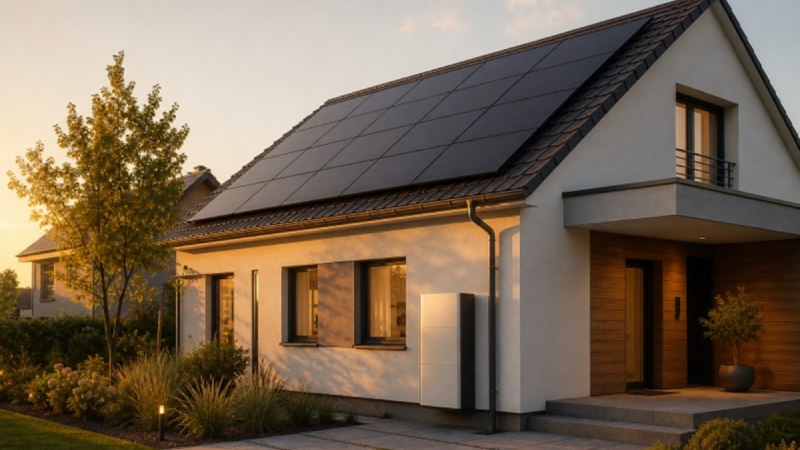
Planning solar panels and battery storage as a single home energy system can help homeowners make clearer decisions about savings, resilience, and future electricity needs. This website can be a starting point for homeowners who want to evaluate how a solar and battery design may fit their property and energy goals.
A thoughtful plan begins with how electricity is actually used in the home. A household that consumes most of its power in the evening has different needs than one with steady daytime demand, and backup expectations can change the equipment and electrical work required.
Why Solar and Storage Are Often Planned Together
Solar panels and batteries perform different jobs. Panels convert sunlight into electricity, while a battery stores electricity that is available but not needed immediately. The battery does not create power. Instead, it shifts usable energy from one period to another.
During a sunny afternoon, solar production may exceed the home’s immediate demand. That extra electricity can charge a battery, flow to the grid, or do both, depending on the system design and local utility arrangement. The way solar energy and storage work together is especially useful when household demand rises after solar production begins to fall.
For example, a family may produce most of its solar electricity around midday while residents are away. Later, cooking, lighting, cooling or heating, electronics, and vehicle charging can raise demand. A battery may supply some of that later use before the home draws additional electricity from the grid.
The Main Parts of a Home Energy System
A typical solar-plus-storage project includes several connected components:
- Solar panels: Produce direct-current electricity from sunlight.
- Inverter: Converts electricity into alternating current used by most household appliances.
- Battery: Stores electrical energy for later use or as a backup.
- Backup or transfer equipment: Separates protected circuits from the wider grid during an outage.
- Energy management software: Shows production, household consumption, battery status, and operating settings.
How the System Works During a Normal Day
- Solar panels begin generating electricity after sunrise.
- The home uses available solar electricity while appliances are running.
- Excess production may charge the battery or export to the grid.
- The battery can discharge after sunset or during higher-priced utility periods, if programmed to do so.
- The grid supplies electricity whenever solar production and stored energy are insufficient.
What Happens During a Power Outage
A standard grid-connected solar array generally shuts down during an outage unless the system includes approved equipment that can safely isolate the home from the grid. A battery with backup controls can form a limited, independent power supply for selected circuits or, with sufficient equipment, much of the home.
Partial-Home Backup
Partial-home backup protects essential loads rather than every circuit. Common choices include refrigerators, internet equipment, lighting, medical devices, sump pumps, garage doors, and selected outlets. This approach often makes a smaller battery more practical during a short outage.
Whole-Home Backup
Whole-home backup can provide greater convenience, but it requires careful planning. Air conditioners, electric resistance heaters, well pumps, dryers, induction ranges, and vehicle chargers can create substantial demand. Larger batteries, added inverters, load controls, or electrical upgrades may be necessary.
Battery Capacity vs. Power Output
Capacity, measured in kilowatt-hours, indicates how much energy a battery can store. Power output, measured in kilowatts, indicates how much electricity it can supply at a given time. A battery might store enough energy to run a refrigerator for many hours but still be unable to start several large motor-driven appliances simultaneously if its power rating is too low.
How to Size a Battery for the Home
Before comparing products, review at least 12 months of utility bills to understand seasonal electricity use. Then identify which appliances must remain on during an outage, how long backup should last, and whether the battery will charge from solar, the grid, or both.
- How many kilowatt-hours does the home use on a typical day?
- Which loads are essential, and which can remain off during an outage?
- How long should the backup supply last?
- Will an electric vehicle, heat pump, electric water heater, or induction range be added later?
- Does the electrical panel have adequate space and capacity?
A professional load calculation provides a more reliable answer than estimating from appliance labels alone. It can account for equipment that cycles on and off, starting surges, and the difference between continuous and occasional use.
Battery Types and Design Choices
Most modern home battery systems use lithium-ion cell chemistry, but product designs differ in usable capacity, continuous power, warranty coverage, temperature limits, and installation requirements. Focus on usable capacity rather than only the advertised storage figure, because some capacity may be reserved to support battery longevity or backup settings.
Also, compare round-trip efficiency, which describes how much energy remains available after charging and discharging. Placement matters as well. Indoor and outdoor installations must follow manufacturer instructions and applicable building, fire, and electrical codes. For a broader overview, home energy storage systems are designed to retain electricity locally for later use.
Costs, Incentives, and Utility Rules
The total project cost includes more than panels and batteries. Proposals may also cover racking, inverters, backup controls, electrical panel work, permitting, inspections, design, labor, monitoring, and future service. Costs vary with system size, site conditions, equipment choices, and regional labor rates.
Incentives and utility policies can affect project value, but they vary by location and can change over time. Before signing a contract, confirm current program eligibility, export-credit rules, time-based rates, and whether a utility offers a battery participation program. A battery may provide value through backup power, self-consumption, rate shifting, or a combination of those benefits.
How to Compare Solar and Battery Proposals
- Request a clear annual production estimate for the solar array.
- Compare usable battery capacity, continuous power rating, and backup capability.
- Ask exactly which circuits will receive backup power.
- Review equipment warranties, artistry, and service responsibilities.
- Confirm who handles permits, inspections, utility approvals, and activation.
- Ask how the system is expected to operate during extreme heat, cold weather, and extended outages.
- Compare purchase, loan, lease, and power-purchase terms carefully.
Common Planning Mistakes to Avoid
- Selecting the largest battery without reviewing the actual household demand.
- Assuming solar panels alone will power the home during an outage.
- Ignoring the starting demand of compressors, pumps, and motors.
- Forgetting likely future loads, including electric vehicles and electric heating equipment.
- Comparing proposals by panel count alone instead of expected production and system design.
- Overlooking roof condition, shading, and electrical panel capacity.
A Simple Planning Checklist
- Review a full year of electricity bills.
- List essential appliances and their expected power needs.
- Check roof condition, shade, and available installation space.
- Decide whether savings, backup power, energy independence, or a mix of goals matters most.
- Compare at least two detailed proposals.
- Verify warranty, monitoring, permitting, and service details in writing.
Final Thoughts
Solar panels and batteries work best when planned as a coordinated system. A well-designed setup can increase the use of home-generated electricity, support priority loads during outages, and prepare the home for future electrification. The strongest choice is the system that fits the household’s energy habits, budget, roof, electrical layout, and long-term priorities.

