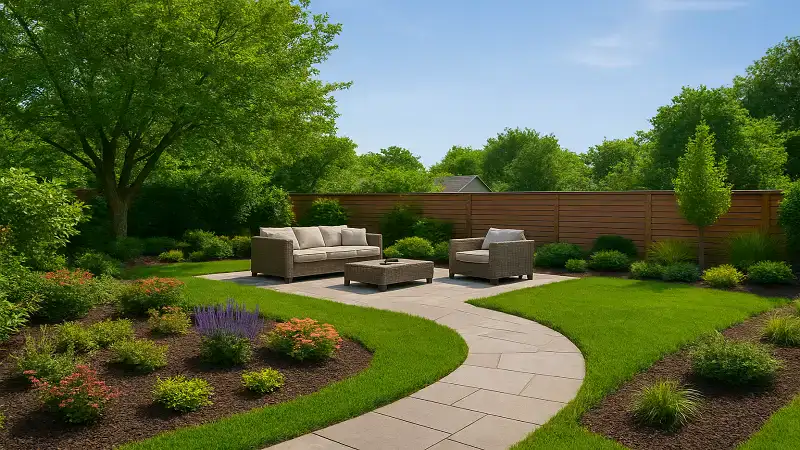
Creating an outdoor space that looks good and works well is a goal for many homeowners. A well-planned yard adds value, comfort, and beauty to your home. It also improves daily living. This guide explains How to Create a Functional and Beautiful Landscape step by step. Each section focuses on practical ideas that anyone can follow.
Understanding the Purpose of Your Landscape
Before starting, you must understand why you want a landscape. Every yard has a purpose. Some are for relaxation. Others are for family activities. Some are designed for entertaining guests.
When you understand your needs, planning becomes easier. Think about how you use your outdoor space every day. Do you need space for children, enjoy gardening, or want more privacy? How to Create a Functional and Beautiful Landscape starts with clear goals. Without them, your design may look good but feel useless.
Evaluating Your Outdoor Space
Take time to study your yard. Observe its size and shape. Notice sunny and shady areas. Check the soil condition. Look at slopes and drainage.
These details matter. Plants grow differently in different conditions. Hardscape features also depend on terrain. A smart evaluation helps avoid costly mistakes. Walk through your yard at different times of the day. Notice how sunlight moves. This helps when placing seating areas and plants. Understanding your space is a key step in How to Create a Functional, Beautiful Landscape that lasts.
Planning a Balanced Layout
A balanced layout brings harmony to your landscape. Balance does not mean everything must be equal. It means visual comfort. There are two types of balance. Symmetrical balance is formal. Asymmetrical balance is more natural. Choose based on your home style. Paths, plants, and structures should feel connected. Avoid random placement. Group elements with intention. A strong layout supports both beauty and usability. This principle is central to How to Create a Functional and Beautiful Landscape successfully.
Choosing the Right Plants
Plants are the heart of any landscape. Choose plants that match your climate. Native plants are often the best choice. They require less water and care. Mix different plant types. Use trees for height. Shrubs for structure. Flowers for color. Ground covers for filling spaces. Consider seasonal changes. Choose plants that bloom at different times. This keeps your landscape attractive year-round. Smart plant selection plays a major role in How to Create a Functional, Beautiful Landscape.
Creating Functional Outdoor Zones
Divide your landscape into zones. Each zone should have a purpose. Common zones include seating areas, play spaces, gardens, and walkways. Use hedges, planters, or changes in material to define zones. This adds structure and clarity. Outdoor zones improve usability. They make the space feel organized and welcoming. Zoning is a practical strategy in How to Create a Functional, Beautiful Landscape that fits real life.
Incorporating Hardscape Elements
Hardscape features include patios, decks, pathways, and walls. These elements provide structure and function. Choose materials that match your home. Stone offers a natural look. Concrete is modern and durable. Wood feels warm and inviting. Hardscape reduces maintenance. It also improves accessibility. Well-designed paths guide movement naturally. Hardscape is essential in How to Create a Functional, Beautiful Landscape that is both stylish and practical.
Designing for Comfort and Usability
Comfort matters. Add seating where people naturally gather. Choose weather-resistant furniture. Place seating in shaded areas when possible. Think about wind direction and privacy. Use plants or screens to block strong winds. Add fencing or tall shrubs for privacy. Comfort turns a nice yard into a usable one. This idea is central to How to Create a Functional, Beautiful Landscape that people enjoy daily.
Using Color and Texture Effectively
Color brings life to your landscape. Use flowers, foliage, and materials to add interest. Avoid using too many colors. This can feel chaotic. Texture adds depth. Combine smooth leaves with rough bark. Mix soft grasses with solid stone. Color and texture guide the eye. They make your landscape feel rich and complete. These details enhance How to Create a Functional, Beautiful Landscape with visual appeal.
Managing Water and Irrigation
Water is essential but must be managed wisely. Install efficient irrigation systems. Drip irrigation saves water and targets roots. Consider rainwater collection. This reduces costs and supports sustainability. Good drainage prevents damage. Avoid water pooling near foundations. Water planning is a smart step in How to Create a Functional, Beautiful Landscape that is eco-friendly.
Adding Lighting for Beauty and Safety
Outdoor lighting extends usability. It improves safety and ambiance. Use path lights for walkways. Accent lights for plants and features. Avoid harsh lighting. Soft, warm lights feel inviting. Solar lights are energy-efficient. Lighting highlights your design at night. It adds another layer to How to Create a Functional, Beautiful Landscape.
Maintaining Your Landscape
A landscape needs care. Regular maintenance keeps it healthy and beautiful. Prune plants. Remove weeds. Clean hardscape surfaces. Choose low-maintenance plants if time is limited. Mulching helps retain moisture and reduce weeds. Maintenance should be planned from the start. This ensures long-term success in How to Create a Functional, Beautiful Landscape.
Making Sustainable Choices
Sustainability is important. Use native plants. Reduce lawn areas. Lawns require high water and maintenance. Use organic fertilizers. Avoid chemicals when possible. Compost yard waste. Sustainable choices protect the environment. They also save money over time. Eco-friendly planning supports How to Create a Functional, Beautiful Landscape responsibly.
Personalizing Your Landscape Design
Your landscape should reflect your personality. Add personal touches. Use decorative pots. Include art or water features. Choose elements that make you happy. A landscape is an extension of your home. Personalization makes the space meaningful. It completes How to Create a Functional, Beautiful Landscape uniquely.
Avoiding Common Landscaping Mistakes
Many people rush the process. This leads to poor results. Avoid overcrowding plants. They need space to grow. Do not ignore maintenance needs. Avoid trendy designs that age quickly. Planning prevents mistakes. Awareness improves results in How to Create a Functional, Beautiful Landscape.
Working With Professionals When Needed
Some projects require experts. Large trees, drainage systems, or complex hardscape may need professionals. Landscape designers help refine ideas. Contractors ensure proper installation. Professional help can improve outcomes. It supports How to Create a Functional and Beautiful Landscape efficiently.
Final Thoughts on Landscape Design
A great landscape blends beauty and function. It supports everyday living, increases your home’s value, and creates peace and joy. Planning is essential. Observation matters. Smart choices lead to lasting results. By following these steps, anyone can learn How to Create a Functional and Beautiful Landscape. With time and care, your outdoor space can become a true extension of your home.