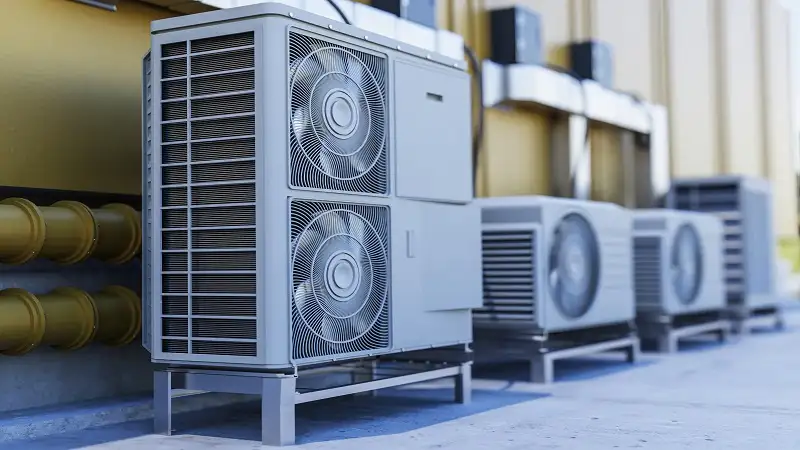
A commercial cooling system is essential for comfort. It protects equipment. It keeps your workplace safe. But cooling systems can also waste money without warning. That is why understanding Money-Saving Signs for Your Cooling System is so important. When you know what to look for, you can prevent damage. You can lower bills. You can keep your space running smoothly. This guide explains the most important signs that help you save money and maintain efficiency. Each sign is simple. Each sign is clear. And each sign helps you make smart decisions.
1. Rising Energy Bills
Rising energy bills are the first warning sign. Costs increase even when usage stays the same. This means the cooling system is working harder than it should. It may be losing efficiency. Dirt buildup, failing parts, or age can cause this. When bills rise without explanation, it is time for inspection. Fixing the issue early prevents bigger expenses. Monitoring monthly bills helps you track trends. This is one of the core Money-Saving Signs for Your Cooling System, because it gives you financial clues before damage grows.
2. Reduced Cooling Performance
A cooling unit that struggles to maintain temperature is a problem. Rooms stay warm. Air feels uneven. Some areas cool properly while others do not. This reduced performance often means airflow restriction. It may also signal a refrigerant leak. Both issues increase energy use. They also shorten the system’s life. Quick repair protects your investment. It keeps your business comfortable. This is another major example from Money-Saving Signs for Your Cooling System, because performance issues always affect cost.
3. Frequent Cycling On and Off
Short cycling increases wear and tear. The unit turns on and off too quickly. It cannot complete a proper cycle. This raises electricity use. It strains major components. Thermostat issues, clogged filters, or electrical problems often cause this. Short cycling never improves on its own. It always gets worse. Fixing it early stops unnecessary energy loss. It also prevents sudden breakdowns. Understanding this sign helps you apply Money-Saving Signs for Your Cooling System to daily operations.
4. Unusual Noises
Cooling systems should run smoothly. Loud noises signal trouble. Grinding means parts are rubbing. Banging means something is loose. Squealing means a belt is failing. These noises warn you before the system breaks down. Ignoring them can lead to costly repairs. Noise changes also show declining efficiency. The harder a system works, the louder it becomes. Paying attention to sound is one of the most reliable Money-Saving Signs for Your Cooling System because it alerts you instantly.
5. Strange Smells
Bad smells mean something is wrong. A burning smell may mean electrical issues. A musty smell may mean mold in the ducts. A chemical smell may mean refrigerant problems. Each smell affects performance. Each smell increases risk. These odors can also affect employee health. Addressing smells early prevents bigger failures. It also keeps the workplace safe. This is one of the most important Money-Saving Signs for Your Cooling System because it protects both finances and safety.
6. Increased Humidity Levels
Commercial cooling units help control humidity. If humidity rises, your system may be failing. Rooms feel sticky. Surfaces feel damp. High humidity encourages mold. It also weakens equipment. Your cooling system may be oversized, undersized, or inefficient. Poor humidity control forces the unit to run longer. This increases energy use. Fixing the problem creates a healthier space. It also reduces strain on the system. Monitoring humidity is a smart part of Money-Saving Signs for Your Cooling System that helps prevent expensive moisture damage.
7. Hot and Cold Spots
Temperature differences across your building mean the system is not distributing air evenly. Blocked vents or failing fans are common causes. Duct leaks also create uneven cooling. Hot and cold spots make employees uncomfortable. They also cause people to adjust thermostats too often. This increases energy use. Fixing airflow issues restores balance. It improves comfort and saves money. Uneven airflow is one of the easiest Money-Saving Signs for Your Cooling System to recognize.
8. Excessive Moisture or Leaks
Moisture near the unit is not normal. Water leaks may indicate a clogged drain line. They may also signal coil issues. Refrigerant leaks are more serious and can damage the system. Moisture can create mold and harm nearby equipment. It also reduces cooling power. Addressing leaks early prevents structural damage. It reduces repair costs. It protects the system from long-term harm. This is another key sign included in Money-Saving Signs for Your Cooling System because leaks always lead to bigger costs if ignored.
9. Old or Outdated Equipment
Age affects performance. A system older than 10 to 15 years becomes less efficient. Parts wear out. Energy use rises. Repairs become more frequent. Old systems cannot match modern efficiency standards. Upgrading may be cheaper in the long run. Newer units use less electricity. They have smarter controls. They help maintain stable temperatures. Understanding the age of your system helps you plan wisely. This is one of the long-term Money-Saving Signs for Your Cooling System, because replacement decisions can save thousands.
10. Poor Maintenance History
A poorly maintained system will fail early. Dust collects on coils. Filters clog. Motors wear out faster. Lack of maintenance reduces efficiency. It also increases operating costs. Regular professional service keeps everything clean. It catches problems early. It keeps the system running smoothly. Maintenance is one of the strongest Money-Saving Signs for Your Cooling System because it influences every part of system performance.
11. Thermostat Problems
Thermostats control cooling. When they malfunction, the system behaves unpredictably. It may run too long. It may not run enough. Temperature readings may be wrong. This wastes energy and hurts comfort. Calibrating or replacing the thermostat restores control. It also prevents unnecessary usage. Watching for thermostat issues is a smart step in Money-Saving Signs for Your Cooling System, because small adjustments save big money.
12. Slow Start-Up Times
Cooling systems should start quickly. If the system takes too long to begin running, something is wrong. Electrical issues or failing capacitors are common causes. Slow start-up increases stress on the system. It also reduces cooling efficiency. Delayed response times mean wasted energy. Fixing these issues improves reliability. It saves money and reduces downtime. This sign shows why Money-Saving Signs for Your Cooling System matter for daily operations.
13. Airflow That Feels Weak
Weak airflow is a serious problem. Air does not move through ducts properly. Rooms cool slowly. The system works harder. Electrical costs rise. Weak airflow often means a failing blower motor. It can also mean duct blockage. Cleaning or repairing these parts restores full strength. It improves comfort. It saves energy. Weak airflow is one of the most visible Money-Saving Signs for Your Cooling System.
14. Dust Build-Up in Your Space
If your workplace looks dusty, the cooling system may not be filtering properly. Dirty filters make air circulation harder. They force the unit to run longer. Dust also enters equipment and causes overheating. Replacing filters improves air quality. It reduces energy use. It protects sensitive equipment from damage. Dust buildup is a simple but important sign from Money-Saving Signs for Your Cooling System.
15. System Running Constantly
A cooling system should not run all day. Continuous operation means something is wrong. Poor insulation, leaking ducts, or failing components can cause this. Constant operation increases electricity costs. It also wears down the unit faster. Fixing the underlying issue reduces both energy use and repair costs. Constant running is one of the clearest Money-Saving Signs for Your Cooling System.
Conclusion
Your cooling system gives many clues before it becomes expensive. Rising bills, weak airflow, strange smells, leaks, and noise all send messages. Paying attention to these signs protects your investment. It stops small issues from turning into major problems. Understanding Money-Saving Signs for Your Cooling System helps you act early. It helps you save money. It helps you maintain comfort and efficiency in your business. With careful monitoring, simple maintenance, and quick repairs, you can extend the life of your cooling system and avoid unnecessary costs.