Ask most homeowners what they think about when they picture their roof, and they’ll describe shingles. Maybe gutters. Very few mention ventilation — and even fewer know what soffit does. The details behind Roof Ventilation & Soffit San Antonio work often get skipped over during roofing estimates, and that’s where a lot of long-term problems start.
That’s a problem. Roof ventilation does more for a home’s long-term health than most people give it credit for. And soffit, in particular, is something a lot of homeowners don’t even know exists until something goes wrong with it.
Here’s what’s actually happening. Hot air builds up in an attic during Texas summers. If there’s no proper airflow to pull that heat out, it sits there and bakes the decking, the insulation, and eventually the shingles themselves from the underside. Manufacturers actually void warranties when ventilation doesn’t meet their specs. Most homeowners find that out too late.
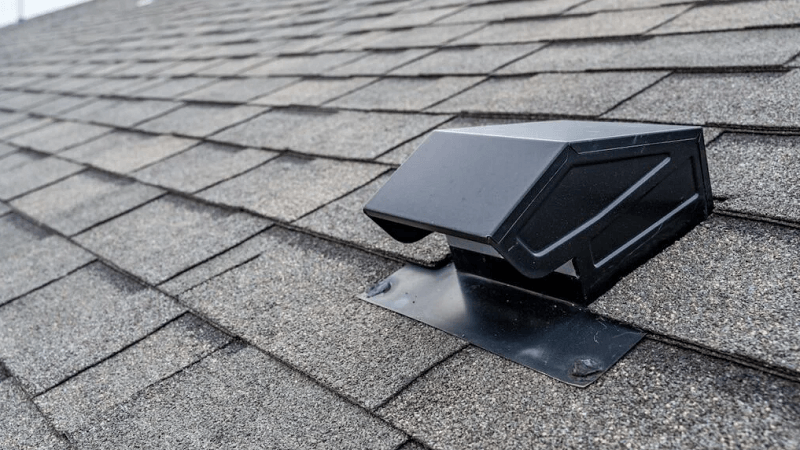
Soffit vents are the intake side of the equation. They’re the perforated panels that run along the underside of your roof’s overhang. They pull cooler air in from outside so it can travel up through the attic and exit at the ridge or through roof vents at the top.
Block those soffit vents — with insulation pushed too far toward the eaves, bird nesting, or just debris buildup — and the system stops working. The attic gets hotter. The air conditioning runs longer. The roof ages faster than it should.
This isn’t a minor issue in South and Central Texas. Summer attic temps here can run 30 to 50 degrees higher than the outside air. That kind of heat does real damage over time.
A lot of roofing jobs get done without anyone checking the ventilation first. That’s a missed step. Good contractors will assess the existing airflow situation before they put a new roof on, because covering up a ventilation problem with new shingles just means you’ll have a ventilation problem under new shingles.
The soffit material itself matters too. Aluminum and vinyl are both common. Vinyl is lighter and cheaper but can crack in temperature swings. Aluminum holds up better in Texas conditions and doesn’t corrode. The choice doesn’t seem like a big deal until you’re replacing it again in five years.
Something contractors don’t always explain upfront is that ventilation is a system. You can’t just add a ridge vent without making sure there’s enough intake below it. You can’t stuff the eaves with insulation and expect the soffit vents to do their job. It all has to be balanced.
Homeowners who ask about this during a roofing estimate are usually the ones who end up with a better result. Most contractors respect the question. The ones who don’t are probably not who you want on your roof anyway.