
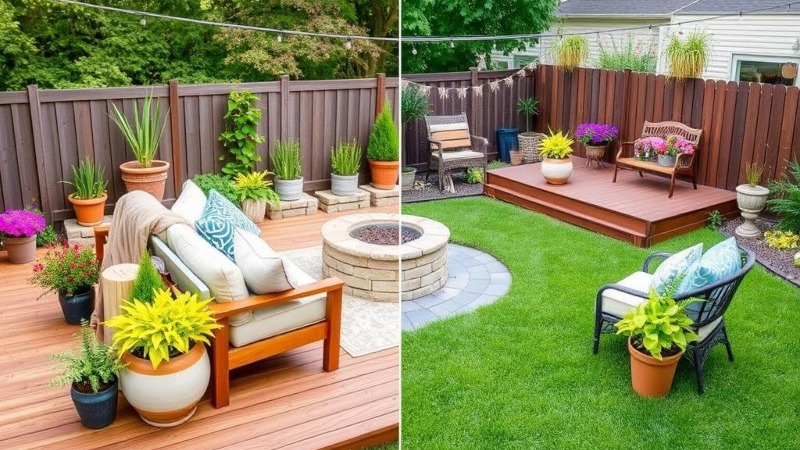
An unused backyard can quickly become an overlooked part of your property. Overgrown grass, outdated concrete, poor drainage, and a lack of comfortable seating can make the area feel uninviting. However, with the right remodeling plan, that same space can become a relaxing extension of your home.
Searching for a backyard remodel near me is often the first step toward creating an outdoor living area that supports entertaining, dining, cooking, and everyday relaxation. Whether you have a compact yard or a large open property, thoughtful planning can help you use every available square foot.
Start With a Clear Backyard Remodeling Plan
Before choosing pavers, furniture, or outdoor appliances, think about how you want to use the space. A backyard designed for family dinners will require a different layout than one created for poolside entertaining.
Consider the activities that matter most to your household. You may want an outdoor kitchen, a shaded lounge, a dining area, a fire feature, or an open space where children and pets can play. Identifying your priorities early helps prevent unnecessary changes after construction begins.
It is also helpful to divide the yard into functional zones. For example, the area closest to the house may become a covered dining space, while a quieter corner can be used for a fire pit or garden retreat. Creating separate zones makes a backyard feel organized without requiring walls or permanent barriers.
Evaluate the Condition of Your Existing Yard
A professional backyard remodel should begin with an assessment of the property. Contractors may inspect grading, drainage, soil conditions, utility locations, existing patios, and access points.
Drainage is especially important in areas that experience frequent or heavy rainfall. Water that collects near the home can damage landscaping, stain hardscaping, and contribute to moisture problems. Solutions may include adjusting the grade, installing drains, adding permeable pavers, or directing water toward an appropriate runoff area.
Existing materials should also be evaluated. An old concrete patio may be suitable for resurfacing, while severely cracked or uneven concrete might need to be removed. Keeping usable features can reduce waste and help control the remodeling budget.
Choose Durable Hardscaping Materials
Hardscaping creates the foundation of an outdoor living space. Patios, walkways, retaining walls, pool decks, and seating walls provide structure while reducing the amount of routine lawn maintenance.
Popular patio materials include concrete pavers, natural stone, porcelain tile, and decorative concrete. Each option offers a different appearance, price range, and level of maintenance. Light-colored materials can be helpful in sunny climates because they generally absorb less heat than very dark surfaces.
When comparing companies after searching for a backyard remodel near me, ask how their recommended materials perform in your local weather conditions. Products should be selected for durability, slip resistance, drainage, and long-term exposure to sunlight and moisture.
Add Shade for Year-Round Comfort
A beautiful patio may go unused if it becomes too hot during the afternoon. Shade structures make outdoor spaces more comfortable and can help protect furniture, appliances, and finishes from direct sunlight.
Common options include pergolas, roof extensions, screened enclosures, retractable awnings, and large patio umbrellas. A solid roof provides reliable protection from both sun and rain, while a pergola creates partial shade and a more open appearance.
The direction of the sun should influence the placement of the structure. A contractor can evaluate how sunlight moves across the yard throughout the day and recommend the most effective orientation.
Create an Outdoor Kitchen and Dining Area
An outdoor kitchen can turn a basic patio into a complete entertaining space. The design may be as simple as a built-in grill and countertop or as detailed as a full cooking station with storage, refrigeration, a sink, and bar seating.
Place the kitchen close enough to the home for convenient access, but leave sufficient room for ventilation and safe movement around cooking equipment. Counter space is another important consideration. A practical design should include areas for food preparation, serving, and placing hot cookware.
For budgeting purposes, homeowners can divide their outdoor kitchen wish list into three categories: essential appliances, useful upgrades, and optional luxury features. This approach makes it easier to prioritize spending without sacrificing the overall design.
Use Lighting to Extend the Space After Sunset
Outdoor lighting allows the remodeled backyard to remain functional after dark. It also improves visibility around steps, pathways, cooking areas, and changes in elevation.
A layered lighting plan may include overhead lights beneath a patio roof, low-voltage path lights, wall-mounted fixtures, and accent lighting around plants or architectural features. Warm lighting can create a comfortable atmosphere, while brighter task lighting is useful near grills and countertops.
Lighting should be incorporated during the early planning stage so electrical connections and wiring can be installed before hardscaping is completed.
Select Comfortable, Weather-Resistant Furnishings
Furniture helps define how each section of the backyard will be used. A dining table establishes an eating area, while outdoor sofas and lounge chairs create a place for conversation and relaxation.
Choose furniture made for exterior conditions. Powder-coated aluminum, treated wood, resin wicker, and solution-dyed fabrics are common options for outdoor environments. Furniture should also match the scale of the patio. Oversized pieces can make a small space difficult to navigate, while undersized furniture may look disconnected in a large yard.
Leave clear walking paths between activity zones. A passage of approximately three feet is often a practical target for comfortable movement, although the exact spacing will depend on the layout.
Balance Landscaping With Low-Maintenance Features
Landscaping softens the appearance of patios and other hard surfaces. Native or climate-appropriate plants are often easier to maintain because they are suited to local rainfall, temperature, and soil conditions.
Use a combination of trees, shrubs, ornamental grasses, and flowering plants to add height and texture. Raised planters can also separate outdoor zones without making the yard feel enclosed.
Low-maintenance designs may include artificial turf, gravel accents, automated irrigation, or mulched planting beds. These additions reduce routine upkeep while helping the backyard remain polished throughout the year.
Establish a Realistic Backyard Remodel Budget
The cost of a backyard remodel depends on the yard’s condition, material selections, site access, and the number of features included. Instead of focusing only on the lowest estimate, compare the full scope of work offered by each contractor.
A sample budget strategy could allocate about 60% to construction and hardscaping, 20% to major features such as an outdoor kitchen or pergola, and 20% to landscaping, lighting, furniture, and unexpected expenses. These percentages are not fixed rules, but they can provide a useful starting point.
Request an itemized estimate that explains materials, labor, site preparation, permits, and cleanup. Clear pricing makes it easier to compare proposals and avoid surprises during construction.
Find the Right Backyard Remodel Near Me
When researching a backyard remodel near me, look for a contractor with experience designing complete outdoor environments rather than installing only one feature. Review project photos, customer feedback, warranties, licensing information, and examples of work completed in similar properties.
A qualified remodeling company should listen to your goals, evaluate the site, explain realistic options, and provide a design that connects naturally with your home.
Transform Your Unused Yard Into a Valuable Living Area
A successful backyard remodel is not simply about adding a patio or purchasing new furniture. It involves creating a comfortable, durable, and well-planned environment that supports the way you live.
By improving the layout, adding shade, selecting weather-resistant materials, and combining hardscaping with landscaping, an unused yard can become one of the most enjoyable areas of the property. Working with an experienced local contractor can help turn your ideas into an outdoor living space that feels like a true extension of your home.

