
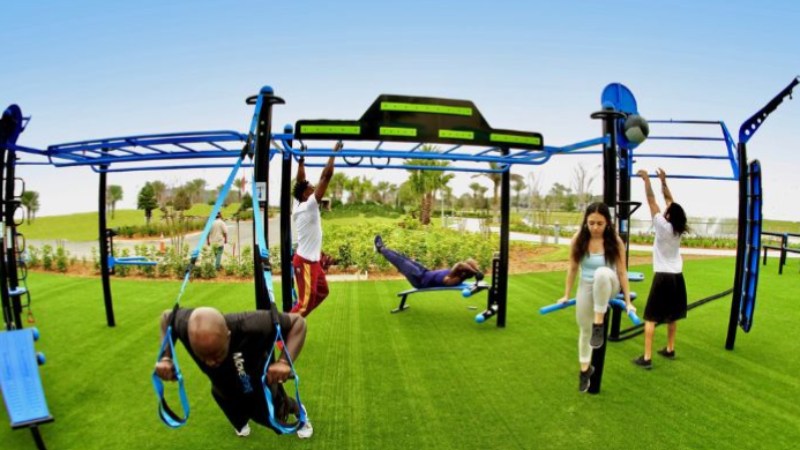
A well-planned backyard sports area can turn an underused part of your property into a place where the whole family moves, plays, and spends meaningful time together. You do not need a full-size court or an expensive renovation. A level surface, a few flexible features, and sensible safety choices can create a space that works for exercise, games, and weekend gatherings.
The most successful designs reflect how people actually live. Children may want room for football drills or ball games, while adults may prefer an outdoor fitness space for stretching, strength training, or short workouts. With careful planning, one compact area can support different ages and interests without making the yard feel crowded. The key is to begin with real needs, protect open space, and choose features that can adapt as your family grows.
Decide How Your Family Will Use the Space
Before buying anything, list the activities your household genuinely enjoys. This could include basketball, badminton, football, yoga, skipping, table tennis, or simple obstacle courses.
Ask a few practical questions:
- Who will use the area most often?
- Which activities need permanent features?
- Will several people use it at once?
- Do you need room for seating?
- Could interests change over time?
This step prevents you from spending money on equipment that looks impressive but receives little use. It also helps you decide whether to create one open zone or several smaller areas.
A small yard often works best with portable items. A larger property may support an active play zone, a workout corner, and a shaded rest area. Either way, the layout should remain flexible.
Choose the Safest and Most Practical Location
Walk through the yard at different times of day. Notice where the sun is strongest, where water gathers after rain, and which areas are affected by wind.
An ideal location usually has:
- Level or gently sloping ground
- Good drainage
- A safe distance from windows and vehicles
- Enough clearance for running or throwing
- Easy access from the house
- Clear visibility for supervising children
For ball games, place the activity zone away from fragile landscaping and neighbouring property. Nets behind a hoop or goal can reduce lost balls and accidental damage.
An outdoor fitness space also benefits from nearby shade. A pergola, umbrella, or shade sail can make summer workouts more comfortable.
Select a Surface That Fits the Activities
The right surface depends on how the area will be used, your climate, and your maintenance budget.
Natural Grass
Grass is soft and suitable for football, catch, tag, and many family outdoor activities. However, regular play may create muddy or worn patches. It also requires mowing and seasonal care.
Artificial Turf
Turf provides a consistent surface for drills, mini football, and general recreation. It handles frequent use well, but proper drainage and base preparation are essential.
Concrete or Pavers
A hard surface works for basketball, scooters, pickleball practice, and table games. It is durable and easy to clean, although falls may be more painful.
Rubber Tiles or Mats
Rubber surfacing offers grip and cushioning. It is especially useful for bodyweight training, stretching, and children’s activity zones.
Many homes benefit from a mixed design. Grass or turf can handle games, while rubber mats define the workout corner. This gives you more home recreation ideas without forcing one surface to serve every purpose.
Create Flexible Activity Zones
A practical backyard sports area does not need separate facilities for every game. One open section can serve several purposes throughout the week.
Consider three basic zones:
- Active zone: Running, football drills, basketball, or racket games
- Fitness zone: Stretching, resistance work, balance exercises, or circuits
- Rest zone: Seating, drinking water, towels, and shade
Keeping fast-moving activities separate from the rest area improves comfort and safety. It also makes backyard entertainment easier when friends or relatives visit.
Portable features offer the most flexibility. A foldable goal, adjustable net, cones, or freestanding hoop can be moved when the yard is needed for a barbecue or party.
Choose Versatile Outdoor Equipment
The best outdoor equipment is not always the largest or most expensive. Prioritise items that support more than one activity or can be adjusted for different ages.
Useful options include:
- Adjustable basketball hoops
- Portable badminton or volleyball nets
- Cones and agility ladders
- Foldable goals
- Resistance bands
- Balance boards
- Weather-resistant exercise mats
- Storage benches that also provide seating
When comparing products, check weather resistance, weight limits, assembly needs, and storage requirements. Browsing practical outdoor equipment solutions can help you understand which formats suit your available space and preferred activities.
Avoid filling every corner. Open space gives children room to create games and allows adults to change workout routines.
Build Safety Into the Design
Safety should be part of the original plan. Check the ground for roots, holes, loose stones, and slippery areas before installing anything.
Helpful precautions include:
- Padding around fixed poles
- Non-slip mats in workout zones
- Secure anchors for goals and frames
- Nets behind hoops or targets
- Downward-facing lights for evening use
- Locked storage for heavy or sharp items
Follow manufacturer instructions for mounted trainers or permanent posts. Check bolts, ropes, nets, and anchors regularly.
Lighting can extend backyard entertainment into the evening, but it should not shine directly into neighbouring homes. Focused or downward-facing fixtures can light the activity area without disturbing the surroundings.
Add Storage From the Beginning
Balls, rackets, cones, and bands can quickly make the yard feel cluttered. They may also become tripping hazards or suffer weather damage.
Use a weather-resistant deck box, small shed, covered bench, or wall rack. Label baskets or hooks so children can return items easily.
Good storage makes family outdoor activities more likely to happen. When everything is organised and close to the play zone, a quick game does not require a long setup.
Keep frequently used items within easy reach. Seasonal or rarely used pieces can be stored indoors or in a more protected area.
Make Fitness Enjoyable for Everyone
Family exercise works best when it feels social rather than compulsory. Instead of giving everyone the same routine, create short challenges that suit different abilities.
For example, build a ten-minute circuit using skipping, squats, cone weaving, and ball throws. On another day, organise a mini tournament or timed obstacle course.
These home recreation ideas combine movement with conversation and friendly competition. Children can focus on speed and fun, while adults adjust the difficulty to match their fitness level.
Rotate activities every few weeks to keep the outdoor fitness space interesting. Letting each family member suggest a new challenge also creates a sense of shared ownership.
Plan for Weather and Easy Maintenance
Choose rust-resistant frames, UV-resistant materials, and covers for items that cannot be moved indoors. In wet climates, good drainage and raised storage will reduce water damage.
Once a month, inspect the surface, lighting, storage, and outdoor equipment. Tighten loose fittings, clean mats, remove leaves, and repair damaged sections before they become safety problems.
Review the layout at the beginning of each season. Remove items nobody uses and make room for new family outdoor activities. This prevents clutter and keeps the space suitable for your household’s changing interests.
Frequently Asked Questions
How much space do I need for a backyard sports area?
There is no fixed minimum. Even a compact yard can support a portable hoop, exercise mat, agility course, or adjustable net. Safe clearance matters more than overall size.
What is the best surface for both children and adults?
A mixed surface is often the most practical choice. Grass or turf supports running and games, while rubber tiles create a more comfortable exercise zone.
How can I build the area on a limited budget?
Start with markings, cones, balls, resistance bands, and portable goals. Add permanent features only after you see which activities the family uses most.
How do I stop sports items from taking over the yard?
Choose foldable items and store them in a weatherproof box, shed, wall rack, or bench with internal storage.
Can the area still be used for parties?
Yes. Portable features and clear zones allow the space to shift easily from exercise and games to seating, food, and social events.
Conclusion
Creating a backyard sports area is not about copying a professional gym or court. It is about building a flexible, welcoming place that fits your family’s habits. Start with the activities people truly enjoy, choose a safe location, and match the surface to the way the space will be used. Then add versatile features, organised storage, shade, and comfortable seating.
A thoughtful design can support exercise, play, and backyard entertainment without overwhelming the rest of the property. It can also make active routines easier because there is no travel, booking, or complicated setup. By starting with a simple plan and improving it gradually, you can create a lasting space for fitness, connection, and outdoor fun at home.

